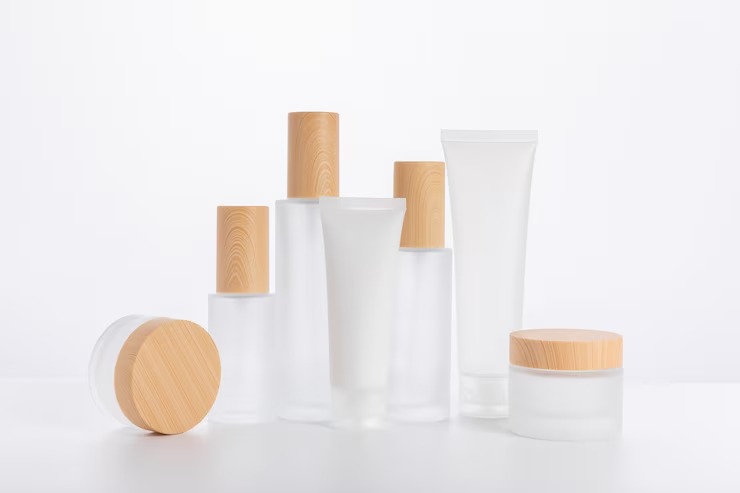
Skincare can feel overwhelming, especially with the constant influx of new products and trends. But in 2025, the focus has shifted back to simplicity and efficacy. A streamlined, four-step routine can deliver remarkable results without the need for a dozen products. Here’s how to build a skincare regimen that works for your skin type and lifestyle.
Step 1: Cleanse to Reset Your Skin
Cleansing is the foundation of any effective skincare routine. It removes dirt, oil, and impurities that accumulate throughout the day, allowing your skin to breathe and absorb subsequent products better. In 2025, the trend leans toward gentle, pH-balanced cleansers that don’t strip the skin of its natural oils.
For example, if you have dry skin, opt for a creamy, hydrating cleanser with ingredients like ceramides or hyaluronic acid. If you have oily or acne-prone skin, a foaming cleanser with salicylic acid can help regulate sebum production and prevent breakouts. The key is to cleanse twice daily—morning and night—to maintain a clean canvas for the rest of your routine.
Step 2: Treat with Targeted Solutions
After cleansing, it’s time to address specific skin concerns with targeted treatments. This step is where serums and treatments come into play, offering concentrated doses of active ingredients to tackle issues like aging, hyperpigmentation, or acne.
For instance, vitamin C serums are a powerhouse for brightening dull skin and reducing dark spots, while retinol remains a gold standard for smoothing fine lines and improving skin texture. If hydration is your primary concern, a hyaluronic acid serum can plump and moisturize your skin. Apply your treatment product to clean, dry skin, and allow it to absorb fully before moving on to the next step.
Step 3: Moisturize to Lock in Hydration
Moisturizing is essential for all skin types, even oily ones. A good moisturizer helps to lock in hydration, strengthen the skin barrier, and prevent moisture loss. In 2025, lightweight, non-comedogenic formulas are particularly popular, offering hydration without clogging pores.
For dry skin, look for richer creams with ingredients like shea butter or squalane. If you have combination or oily skin, a gel-based moisturizer with aloe vera or niacinamide can provide hydration without feeling heavy. Apply moisturizer morning and night to keep your skin soft, supple, and balanced.
Step 4: Protect with Daily Sunscreen
No skincare routine is complete without sunscreen. UV exposure is the leading cause of premature aging, dark spots, and skin cancer, making sun protection non-negotiable. In 2025, sunscreens have become more advanced, offering lightweight, broad-spectrum protection that feels comfortable on the skin.
Choose a sunscreen with at least SPF 30 and apply it every morning, even on cloudy days. If you have sensitive skin, mineral sunscreens with zinc oxide or titanium dioxide are gentle and effective. For those who wear makeup, many brands now offer sunscreen sprays or powders that can be reapplied throughout the day without disrupting your look.
Bonus Tips for Success
While these four steps form the core of your skincare routine, a few additional practices can enhance your results. First, stay consistent—skincare is a long-term commitment, and results often take time. Second, listen to your skin and adjust your routine as needed. For example, if your skin feels irritated, scale back on active ingredients and focus on hydration.
Finally, don’t forget the power of lifestyle factors. Drinking plenty of water, eating a balanced diet, and getting enough sleep can all contribute to healthier, more radiant skin. By combining a simple yet effective skincare routine with healthy habits, you’ll be well on your way to achieving your best skin in 2025 and beyond.
Choosing the Right Ingredients for Your Skin Type
Understanding your skin type is crucial when selecting skincare products. For oily skin, look for ingredients like salicylic acid and clay, which help absorb excess oil and unclog pores. Dry skin benefits from hyaluronic acid and ceramides, which lock in moisture and restore the skin barrier. Combination skin requires a balanced approach, with lightweight hydrators and gentle exfoliants. Always patch-test new products to avoid adverse reactions.
Morning vs. Night Routine: What’s the Difference?
Your morning skincare routine should focus on protection. Start with a gentle cleanser, followed by an antioxidant-rich serum like vitamin C to combat free radicals. Apply a moisturizer with SPF to shield your skin from UV damage. At night, the emphasis is on repair and rejuvenation. Use a double-cleansing method to remove makeup and impurities, followed by retinol or peptides to encourage cell turnover and collagen production. Finish with a nourishing night cream.
Seasonal Adjustments for Optimal Results
Your skincare needs change with the seasons. In winter, opt for richer creams and oils to combat dryness caused by cold weather and indoor heating. In summer, switch to lightweight, non-comedogenic products to prevent clogged pores and excess shine. Don’t forget to adjust your SPF levels based on sun intensity. Spring and fall are great times to introduce gentle exfoliants to slough off dead skin cells and reveal a fresh complexion.
Common Skincare Mistakes to Avoid
Over-exfoliating is a frequent mistake that can strip your skin of its natural oils, leading to irritation and sensitivity. Using too many active ingredients at once can also overwhelm your skin, causing breakouts or redness. Skipping sunscreen, even on cloudy days, leaves your skin vulnerable to UV damage. Lastly, inconsistency in your routine can hinder progress—stick to a regimen for at least six weeks to see noticeable results.
Real-World Scenarios: Adapting to Life Changes
Traveling to a new climate? Pack travel-sized versions of your essentials and add a hydrating mist to combat dryness during flights. Going through hormonal changes, such as pregnancy or menopause? Consult a dermatologist to adjust your routine, as your skin’s needs may shift significantly. Dealing with stress-induced breakouts? Incorporate calming ingredients like chamomile or niacinamide to soothe inflammation.
Comparative Analysis: Luxury vs. Drugstore Products
While luxury skincare often boasts premium packaging and unique formulations, many drugstore brands offer equally effective products at a fraction of the cost. Look for key active ingredients rather than brand names. For example, a $30 retinol serum may perform just as well as a $100 counterpart. However, luxury products may excel in texture, fragrance, and overall sensory experience, which can enhance your routine’s enjoyment.